

Wan 3.0 Text-to-Video
Wan 3.0 Text-to-Video is Alibaba's next-generation AI text-to-video model under the Tongyi Wanxiang series. It deeply parses complex prompt text to directly generate up to 30-second videos in up to 1080P/4K cinematic resolution. Featuring native audio-visual synchronization (ambient audio, sound effects, and multilingual lip-sync), it delivers exceptional motion smoothness, physical simulation, and precise camera control—ideal for commercial advertising, short dramas, film VFX, and social media content creation.
Related Models

Wan 3.0 Prime Reference-to-Video Spicy
Wan 3.0 Prime Reference-to-Video Spicy is Alibaba's flagship uncensored high-motion video model engineered for native 4K visual synthesis. Delivering native 4K output at 60 fps, it processes up to 8 reference images or 2 reference videos simultaneously to preserve character identity and material fidelity across complex sequences. With unrestricted generation capabilities, it synthesizes explosive physical movements, dramatic camera trajectories, and physical interactions—powering high-energy cinematic pre-visualization, high-impact commercial ads, AAA gaming assets, and action pipelines.

Wan 3.0 Reference-to-Video Spicy
Wan 3.0 Reference-to-Video Spicy is Alibaba's high-motion video synthesis model engineered for high-energy visual dynamics and stylized action generation. Built on an expanded spatio-temporal attention mechanism alongside robust reference feature anchoring, it synthesizes large-scale physical movements, aggressive camera trajectories, and dramatic temporal transitions while preserving strict subject identity and garment texture fidelity. Wan 3.0 Reference-to-Video Spicy powers dynamic action video production, cinematic FX pre-visualization, interactive gaming visual assets, and high-impact commercial advertising pipelines.
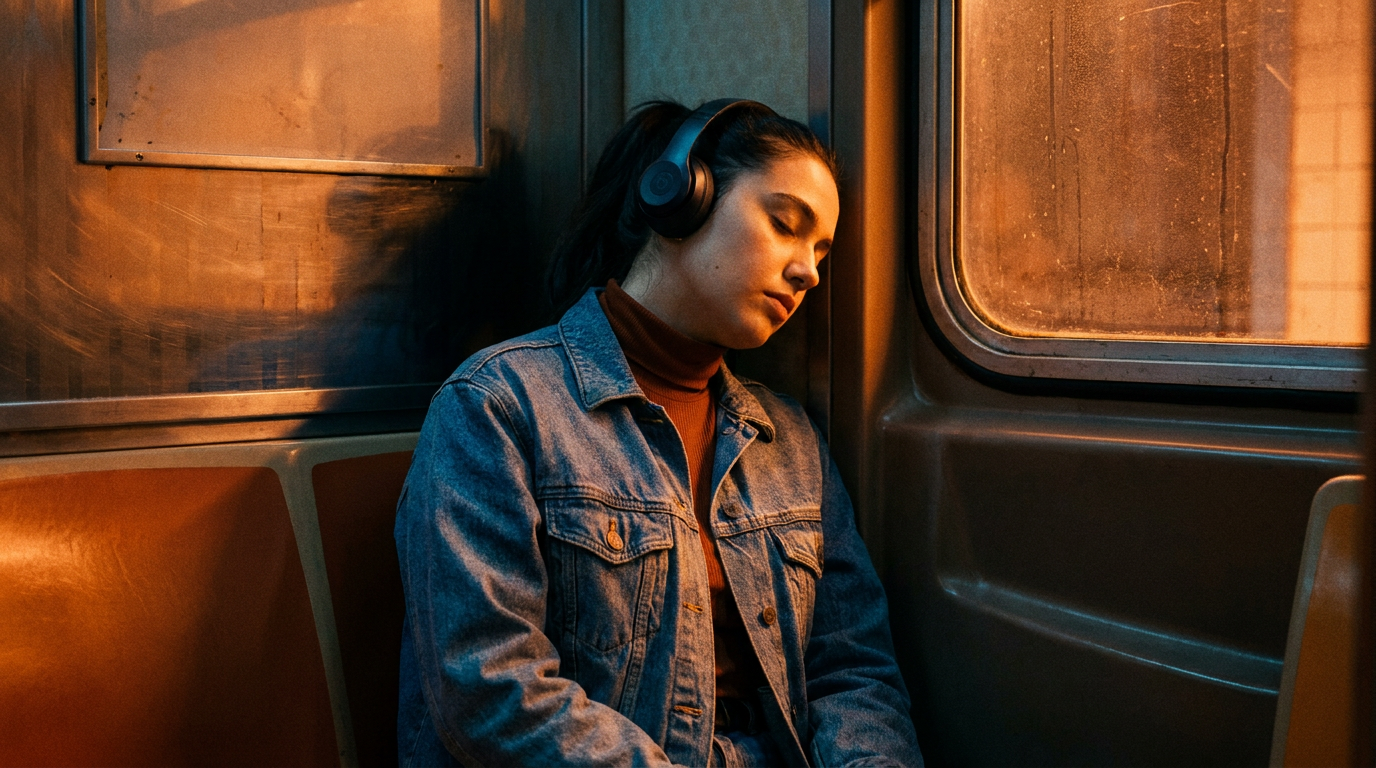
Wan 3.0 Prime Reference-to-Video
Wan 3.0 Prime Reference-to-Video is Alibaba's flagship controllable video generation model built for precise reference-conditioned visual synthesis. Powered by an upgraded spatio-temporal decoupling architecture and multi-reference feature fusion, it preserves character identity, garment textures, ambient lighting, and complex camera trajectories across extended sequences while generating native 4K high-frame-rate video. Operating with strict temporal consistency and fluid motion dynamics, Wan 3.0 Prime drives e-commerce video production, cinematic pre-visualization, digital human animation, and commercial advertising pipelines.

Wan 3.0 Reference-to-Video
Wan 3.0 Reference-to-Video is Alibaba's flagship high-efficiency video generation model engineered for precise reference-driven visual synthesis. Built on an upgraded multi-modal reference feature alignment and spatio-temporal attention architecture, it preserves strict subject identity, garment textures, and ambient lighting across dynamic video sequences. Combining high-throughput inference speeds with fluid camera movement, Wan 3.0 Reference-to-Video efficiently powers e-commerce product videos, digital human animation, social media marketing assets, and commercial advertising pipelines.
Read Me
Wan 3.0 Text-to-Video API
Wan 3.0 is Alibaba's Tongyi Lab's next-generation video generation model officially released on August 24, 2026. This document covers its Text-to-Video endpoint: generating high-quality video from text prompts alone, with native 30-second single-pass generation, 480P/720P/1080P resolution tiers, native synchronized audio and multilingual dubbing, and 30 FPS output. The model significantly improves micro-expressions, body linkage, spatial layout, physical motion, and text rendering to reduce the "AI feel" and approach real-shot quality.
On iCreat, developers call the aliyun/wan3-0/text-to-video endpoint through an asynchronous task-based REST API. Pricing: 480P $0.05/sec, 720P $0.10/sec, 1080P $0.20/sec, billed by output duration.
Model Positioning
Wan 3.0 Text-to-Video targets text-driven video creation — the T2V endpoint of the Wan 3.0 unified model. Compared to its predecessor Wan 2.7 (15-second max), single-pass duration doubles to 30 seconds, suited for short dramas, ads, and music videos requiring continuous narrative. Supports an optional thinking mode (reasoning before generation) for multi-event sequences and complex compositions. Wan 3.0 is a closed-source API model with no weight downloads, unlike the open-source Wan 2.2 series.
Core Capabilities
30-second single-pass generation
A single request can generate up to 30 seconds of continuous video — double Wan 2.7's 15-second limit. Supports intelligent duration recommendations and an extend function for continuous narrative.
Three resolution tiers
Supports 480P, 720P, and 1080P, defaulting to 1080P. 480P for low-cost draft iteration, 1080P for final delivery.
Native synchronized audio
Audio is generated in the same pass as the video (not added in post), including dialogue, BGM, and sound effects, ensuring temporal alignment between sound and motion. Supports multilingual dubbing.
Real-world fidelity
Significant improvements in micro-expressions, body linkage, spatial layout, physical motion, and on-screen text rendering, reducing the "AI feel" for a real-shot look.
Thinking mode
Optional reasoning mode — the model reasons about composition and motion before generating, suited for multi-event sequences and complex compositions.
Negative prompts
Supports negative_prompt to describe content that should not appear in the video, improving generation control.
Pricing
| Resolution | Unit Price (USD/sec) | 5-Second Cost |
|---|---|---|
| 480P | $0.05 | $0.25 |
| 720P | $0.10 | $0.50 |
| 1080P | $0.20 | $1.00 |
Total = unit price × output video duration. Billed by actual generated duration with no minimum-length threshold.
Note: Alibaba Cloud Bailian domestic list price is 480P ¥0.3/sec, 720P ¥0.6/sec, 1080P ¥1.2/sec; the USD prices above are iCreat platform prices, matching Alibaba's official overseas pricing.
Use Cases
- Short dramas and film pre-visualization: 30-second single-pass generation for continuous narrative
- Advertising and TVC: rapid dynamic ad production, iterate at 480P, deliver at 1080P
- Music videos: native synchronized audio, visuals and sound in one pass
- Tourism and brand shorts: text-driven generation with controlled per-clip cost
- Social media short-form: multi-aspect (vertical 9:16, horizontal 16:9) for all platforms
- Creative concept validation: low-cost rapid scene and composition testing
Model Comparison
Wan 3.0 T2V vs. Wan 2.7
| Dimension | Wan 3.0 T2V | Wan 2.7 |
|---|---|---|
| Release date | August 24, 2026 | 2026 (earlier) |
| Max single-pass duration | 30 seconds | 15 seconds |
| Resolution | 480P / 720P / 1080P | 480P / 720P / 1080P |
| Native audio | Supported (same pass) | Not supported |
| Thinking mode | Supported | Not supported |
| Document input | Supported (DOC/XLS/PPT/PDF/MD) | Not supported |
| Reference assets | Up to ~20 | Limited |
| Open source | Closed API | Partially open (Wan 2.2) |
| 480P price | $0.05/sec | — |
| 1080P price | $0.20/sec | — |
| Best for | Long narrative, native audio, doc-to-video | Short video generation |
Wan 3.0 T2V vs. HappyHorse 1.1 and Seedance 2.5
| Dimension | Wan 3.0 T2V | HappyHorse 1.1 | Seedance 2.5 |
|---|---|---|---|
| Developer | Alibaba Tongyi | Alibaba | ByteDance |
| Release date | August 24, 2026 | June 22, 2026 | 2026 |
| Max duration | 30 seconds | 3–15 seconds | 30 seconds |
| Resolution | 480P / 720P / 1080P | 720P / 1080P | 720P / 1080P |
| Native audio | Supported | Supported | Supported |
| Document input | Supported (industry first) | Not supported | Not supported |
| Reference assets | Up to ~20 | Up to 9 reference images | — |
| 480P price | $0.05/sec | — | — |
| 720P price | $0.10/sec | $0.14/sec | — |
| 1080P price | $0.20/sec | $0.18/sec | — |
| Open source | Closed | Closed | Closed |
| Best for | Long narrative, doc-to-video | Multi-reference consistency | 30-second continuous video |
Why Choose Wan 3.0 T2V?
- 30-second single pass: double Wan 2.7, for continuous narrative and single-take long video
- Native synchronized audio: dialogue, BGM, and sound effects in one pass, no post-production dubbing
- Three tiers + per-second billing: 480P iteration at $0.05/sec, 1080P delivery at $0.20/sec, predictable cost
- Industry-first document input: DOC/XLS/PPT/PDF/MD direct-to-video (unified model)
- Real-world fidelity: micro-expressions, body linkage, and physics significantly improved
- Thinking mode: pre-generation reasoning for complex compositions and multi-event sequences
Specifications
| Category | Description |
|---|---|
| Model name | Wan 3.0 Text-to-Video |
| Developer | Alibaba (Tongyi Lab) |
| Endpoint | aliyun/wan3-0/text-to-video |
| Release date | August 24, 2026 (public beta August 6) |
| Model type | Video generation model (closed-source API) |
| Authentication | API Key (Authorization: Bearer) |
input.prompt |
string, required, describes the video content to generate |
input.negative_prompt |
string, optional, content that should not appear in the video |
parameters.resolution |
string, required; 480P, 720P, 1080P |
parameters.ratio |
string, required; 1:1, 9:16, 16:9, 3:4, 4:3 |
parameters.duration |
integer, required; 4–30 seconds |
parameters.watermark |
boolean, optional; default false |
| Output | Video file; 30 FPS, native synchronized audio, up to 30 seconds |
| Frame rate | 30 FPS |
| Billing unit | USD per second |
| API mode | Asynchronous task submission |
Architecture
Wan 3.0 uses a unified model architecture, consolidating text-to-video, image-to-video, and reference-to-video into a single endpoint rather than separate models. The model introduces an "Omni-Reference" system supporting up to ~20 reference assets (text, images, video, audio, documents, web pages) for high-fidelity video synthesis. Audio is generated in the same pass as the video, ensuring temporal alignment.
Wan 3.0 entered public beta on August 6, 2026, and launched commercially on August 24. Unlike the open-source Wan 2.2 series, Wan 3.0 is a closed-source API model with no weight downloads. Available on Alibaba Cloud Bailian (Beijing, Singapore regions) and Qianwen AI platform, with a limited 30% discount (August 24 to September 23).
Notes
durationmust be an integer between 4 and 30; out-of-range values return an errorpromptis required;negative_promptis optional, used to exclude unwanted content- 480P tier for low-cost draft iteration ($0.05/sec), 1080P for final delivery ($0.20/sec)
- 1080P costs more per second than 720P; estimate cost in advance for long videos (total = unit price × duration)
- Native audio is default output, including dialogue, BGM, and sound effects, synchronized with visuals
- Thinking mode is optional, suited for multi-event sequences and complex compositions
- Fetch results via the result endpoint promptly after completion
- Wan 3.0 is a closed-source API model, not supporting local deployment; for self-hosting, use the open-source Wan 2.2 series
FAQ
What is the difference between Wan 3.0 and Wan 2.7?
Wan 3.0 doubles single-pass duration to 30 seconds (Wan 2.7: 15 seconds), adds native synchronized audio, thinking mode, document input (DOC/XLS/PPT/PDF/MD), and up to ~20 reference assets. Wan 3.0 is a closed-source API; Wan 2.2 series is open-source.
What is the maximum single-pass duration?
Up to 30 seconds of continuous video — double Wan 2.7. Supports intelligent duration recommendations and an extend function.
Is native audio supported?
Yes. Audio is generated in the same pass as the video, including dialogue, BGM, and sound effects, ensuring temporal alignment. Supports multilingual dubbing.
How do I control generation cost?
480P at $0.05/sec for draft iteration, 1080P at $0.20/sec for final delivery. Recommended workflow: iterate prompts at 480P, then generate the final video at 1080P.
Can I self-host?
No. Wan 3.0 is a closed-source API model, not supporting local deployment. For self-hosting, use the open-source Wan 2.2 series (Apache 2.0), though with limited features and duration.
What is document input?
The Wan 3.0 unified model supports direct input of DOC/XLS/PPT/PDF/MD documents and web URLs. The model reads structured content and generates corresponding video — an industry-first direct "static materials to dynamic footage" conversion.