



Key Takeaways
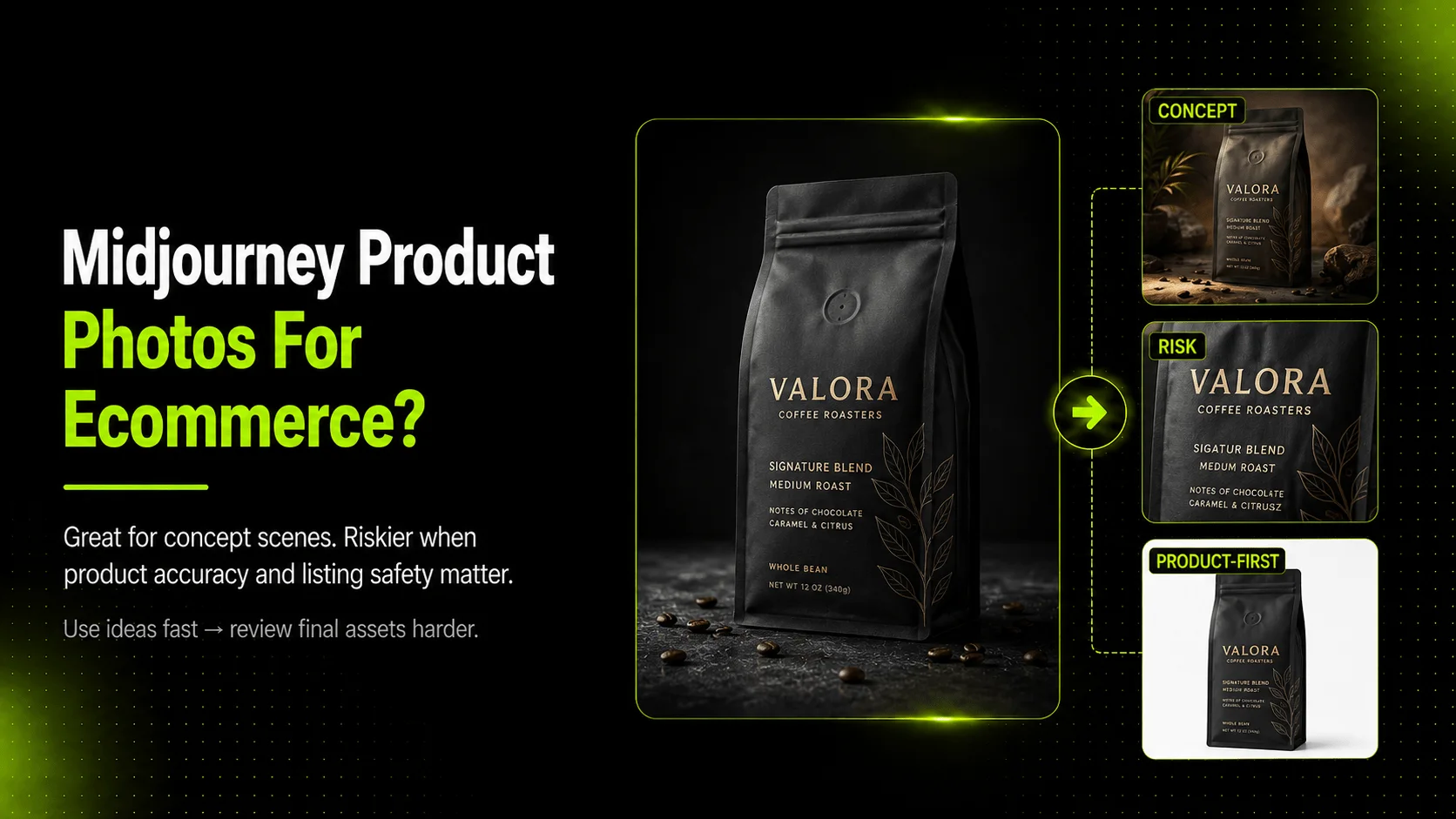
- Midjourney is strongest for concepting, moodboards, and background direction rather than exact product preservation.
- It becomes riskier for listings, product pages, and ads when shape, color, labels, or included details must stay accurate.
- Ecommerce teams should separate concept generation from final publishable product imagery.
- A product-first workflow is usually safer when the goal is repeatable SKU output or channel-ready assets.
- High-risk product visuals should be reviewed against product truth and publishing requirements before they go live.
Yes, you can use Midjourney product photography for ecommerce, but it works best for concept work, background ideas, and campaign exploration. If the image needs to represent the exact product a shopper will receive, a product-first workflow is usually safer because publishable ecommerce visuals need tighter accuracy checks, cleaner review, and better channel fit.
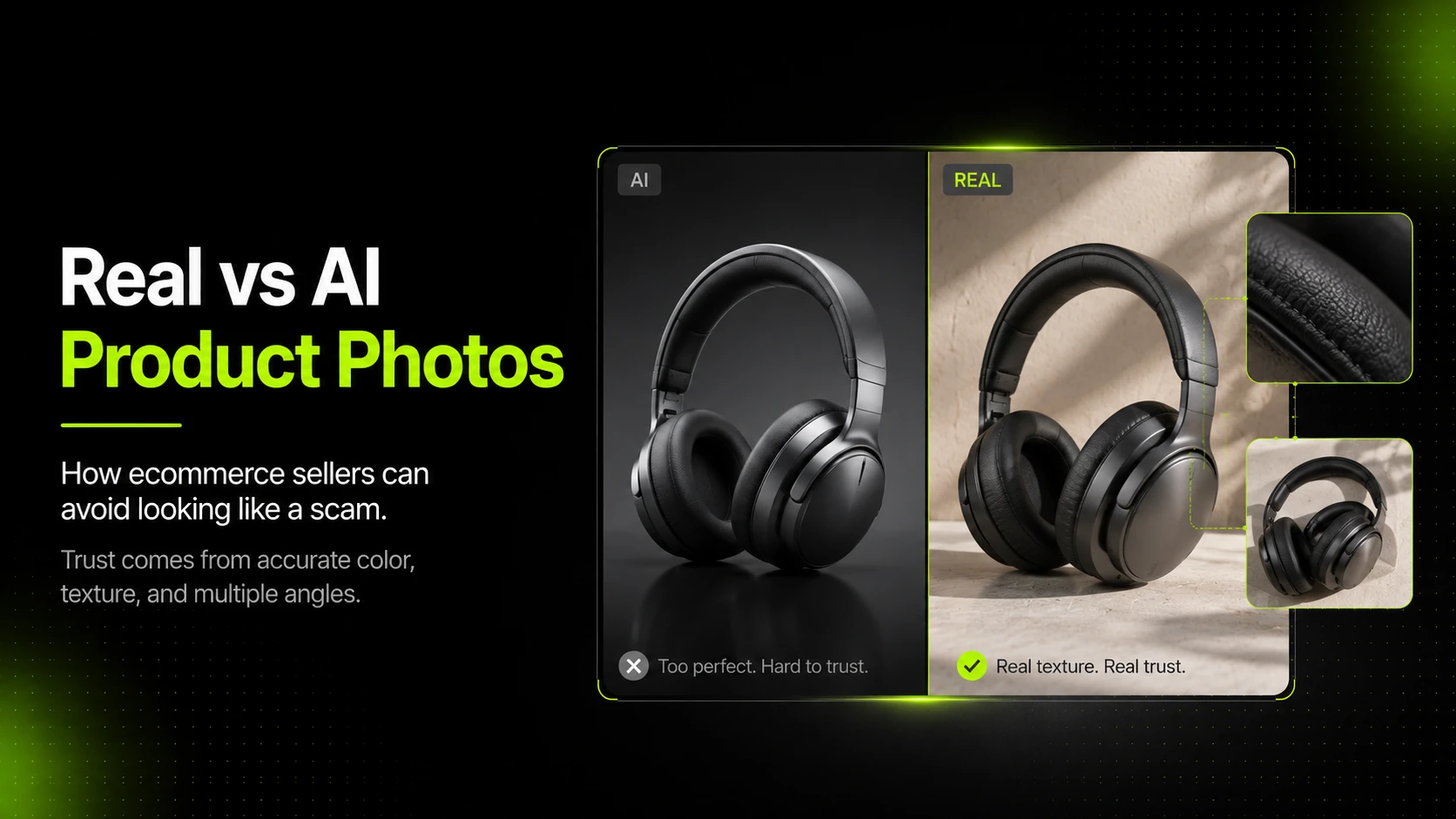
That distinction matters because most sellers are not really asking whether Midjourney can make a beautiful image. They are asking whether it can make a trustworthy product image. A strong AI visual can still fail if the bag hardware changes, the sneaker color drifts, the skincare label becomes unreadable, or the final file does not match where it will be published.
What Midjourney product photography usually means
When people search for Midjourney product photography, they are usually trying to answer one of two questions. The first is creative: can Midjourney help me make product visuals that look better than a basic studio shot? The second is operational: can I use those visuals in a real ecommerce workflow without creating accuracy or listing problems?
Those are different jobs. Midjourney is a general image model. It is built to create new images from prompts and references, not to act like a controlled product-imaging system. Even when sellers start from a real product photo, the model is still interpreting that input rather than promising exact reproduction.
That is why Midjourney often feels impressive in early tests. A skincare bottle can suddenly appear in a premium marble setting. A handbag can sit in an editorial scene with dramatic lighting. A sneaker can look campaign-ready in seconds. The problem comes later, when the team asks whether that exact image can be trusted as a product image rather than admired as a concept.
Where Midjourney helps ecommerce teams
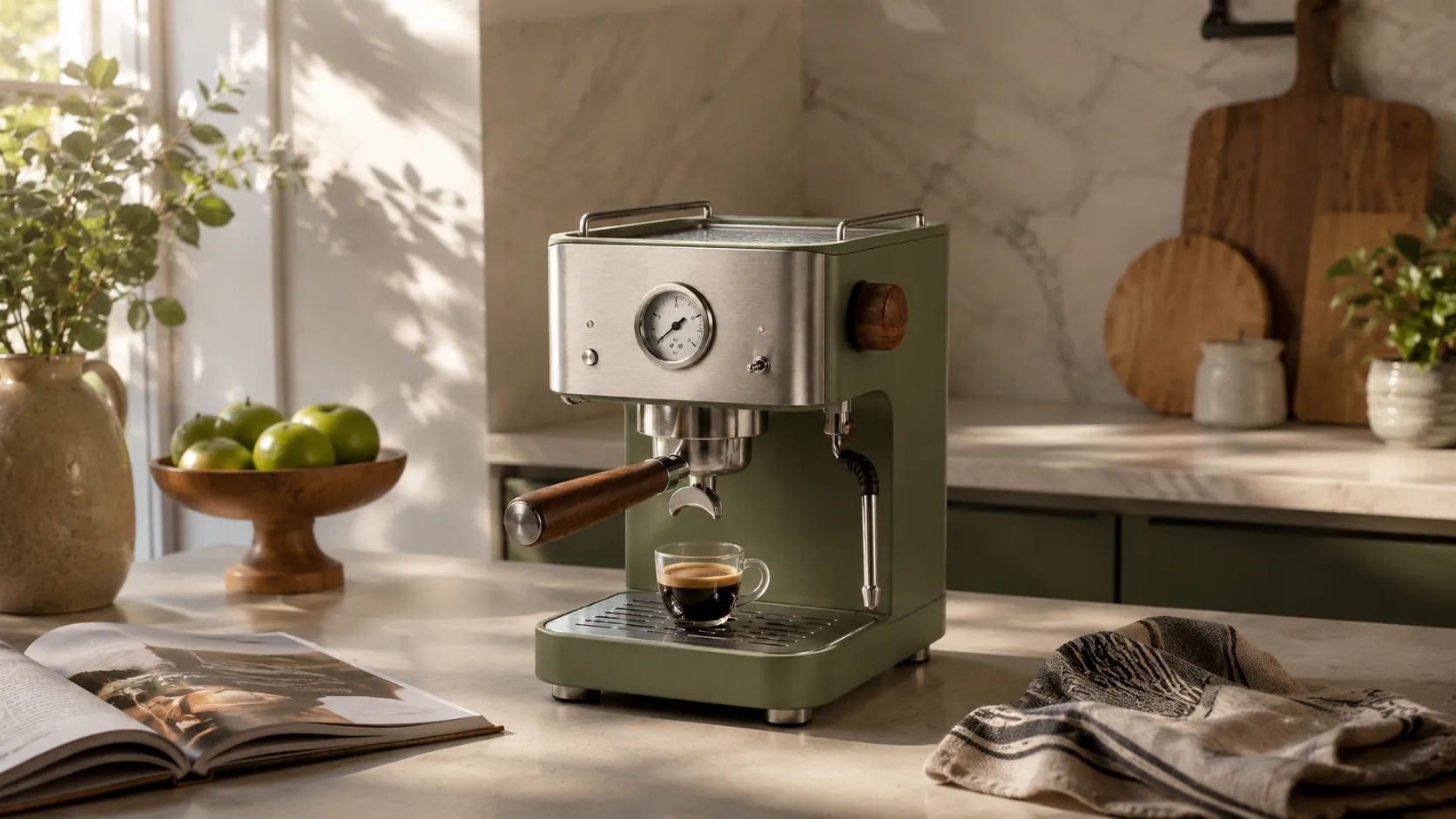
Midjourney is useful when the output is exploratory rather than final. It can help a team decide what kind of scene, mood, or visual direction should shape the next campaign.
A skincare seller can compare whether a serum bottle feels stronger in a clean clinical setup, a warm spa setting, or a minimal white studio concept. A handbag brand can test whether a launch should lean luxury editorial, street-style fashion, or soft lifestyle storytelling. A sneaker team can explore whether a new drop looks better in a sport-driven scene, a shadowy studio composition, or a brighter social-ad layout.
Those are all valid uses because the team is deciding on atmosphere, context, and creative direction. Midjourney can also be useful for moodboards, internal concept presentations, hero-image exploration, and fast prompt testing when no one expects the first output to become the final listing asset.
If the job is visual ideation, Midjourney can be a fast and useful tool. If the job is exact product representation at scale, the standard gets much higher.
Where Midjourney becomes risky for publishable product images
The risk rises when the image needs to represent the product a buyer will actually receive.
Product details can drift
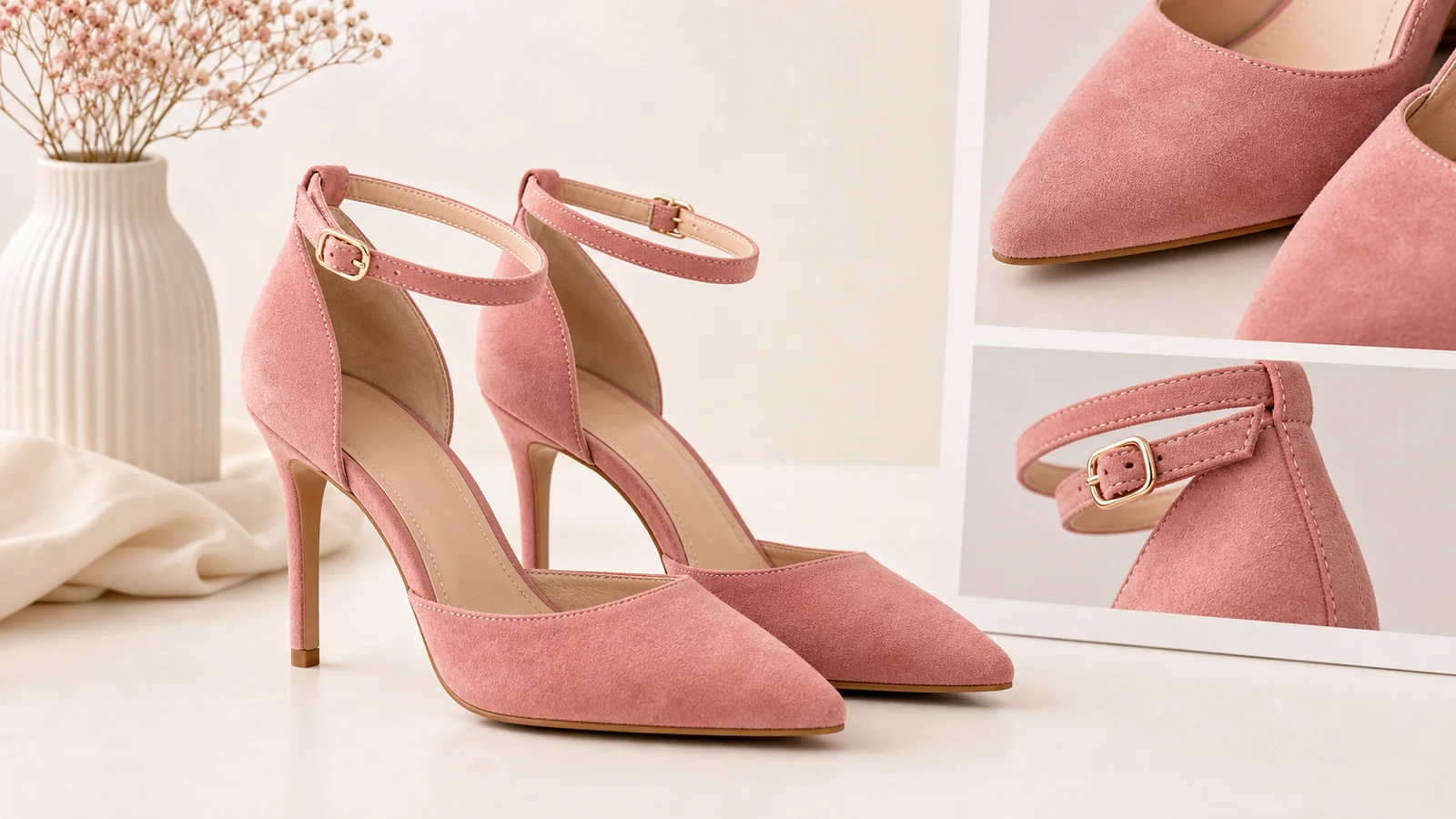
A skincare bottle may keep the right general silhouette while changing cap proportions, liquid color, or label spacing. A handbag may look polished but lose the exact placement of the clasp, zipper, or logo hardware. A sneaker may stay close in style while drifting on the sole pattern, panel layout, or color blocking.
For concept work, this may be acceptable. For product pages, listings, and ads, it can create a product-truth problem.
Packaging and text-heavy products need extra caution
Products with visible text are especially risky. A coffee bag, packaged food item, or skincare bottle may carry flavor details, ingredients, claims, or usage instructions on the visible package. If the AI changes that text or makes it unreadable, the image can still look premium while becoming unusable for real ecommerce publishing.
Publishing channels still have their own rules
Google Merchant Center's image guidance makes that risk practical, not theoretical. Google requires the main image to accurately display the entire product, discourages promotional overlays, and specifies supported formats, size rules, and image-quality expectations. Its documentation also warns against placeholder imagery, generic illustrations, and product representations that do not clearly show what is being sold. Those rules matter because a good-looking AI image can still fail if it does not behave like a valid commerce image. See the official guidance here: Google Merchant Center image requirements.
That means the question is not only whether Midjourney can make an image look polished. The real question is whether the image stays accurate enough and channel-safe enough to publish.
Midjourney vs a product-first AI photography workflow
The most useful comparison is not "Which tool is better overall?" It is "Which workflow fits the job I need done?"
| Need | Midjourney | Product-first AI workflow |
|---|---|---|
| Background or scene exploration | Strong | Strong |
| Moodboards and concept direction | Strong | Useful, but less concept-led |
| Exact product preservation | Limited | Better fit because the workflow starts from the real product |
| Label and packaging accuracy | Risky | Safer when original product imagery anchors the output |
| Repeatable SKU variations | Harder to control | Better fit for scaled ecommerce production |
| Listing and ad readiness | Needs careful review | Better fit when review and asset prep are built in |
That is where a product-first workflow becomes more practical. If you already have approved source images, AI Product Photography is usually a stronger fit for repeatable ecommerce visuals than asking a general image model to recreate the product from scratch. Supporting tools such as Background Remover and Image Upscaler also fit naturally into a workflow where the real product image stays central instead of becoming optional.
If your current task is still ideation, Midjourney can help. If your current task is publishable product imagery, the workflow needs more control than Midjourney alone is designed to provide.
When Midjourney is a fit and when it is not
Best fit
- You need concept direction before producing final assets.
- You want to test multiple background ideas quickly.
- You are building moodboards or internal launch concepts.
- The image does not need to become the final source-of-truth listing image.
Not a fit
- The product has critical label text or packaging claims.
- The image must show exact color, shape, logo placement, or included accessories.
- You need repeatable output across many SKUs.
- The visual is likely to be used directly in a marketplace, product-page, or ad context without a stronger review workflow.
That distinction is more useful than calling Midjourney good or bad. The tool can help. The question is whether it fits the decision stage or the publishing stage.
What to review before using AI product images in listings or ads
This is a high-risk topic, so the review step should be explicit.
For a Midjourney-assisted ecommerce workflow, the most relevant checks are:
- Product shape: Does the bottle, bag, or shoe still match the real product silhouette?
- Color accuracy: Has the product color shifted in a way that would mislead a buyer?
- Logo placement: Are logos, marks, or signature design elements still in the right place?
- Label text: If the product has visible packaging text, is it readable and accurate enough for the intended use?
- Packaging claims: Could the image imply claims or details that are not actually on the real product?
- Target channel requirements: Does the file still fit the listing or ad channel where it will appear?
- Shopper trust: If a buyer saw only this image, could it create the wrong expectation about the item received?
For sellers publishing into marketplaces or ad systems, the safest approach is to treat Midjourney as a concept layer rather than a final-review replacement. When product accuracy matters, the image should be checked against the original product inputs before it goes live.
FAQ
Conclusion
Midjourney product photography is useful when the job is exploration. It is much less reliable when the job is exact product representation for ecommerce listings, ads, or product pages. Sellers should separate concept generation from final publishable product imagery instead of treating them as the same step.
If you already have product reference images and need more repeatable ecommerce visuals, a product-first workflow is usually safer than starting from a general image model. AI Product Photography is the most relevant next step when product accuracy matters, while Background Remover and Image Upscaler can support the asset-prep side of the workflow.